AI in Healthcare Technology: How Software Is Shifting And Where Most Organizations Go Wrong
AI is everywhere in healthcare. The question is whether it's actually helping.
The numbers are staggering. The AI in healthcare market hit $39 billion in 2025, and analysts project it will exceed $1 trillion by 2034 (Fortune Business Insights).
The healthcare organizations seeing genuine results from AI aren't the ones racing to implement every new tool. In fact, they’re prioritizing something else entirely.
In this article, we’re breaking down the changes the healthcare industry is facing with the advent of AI and what you can do to get ahead of unpredictable changes and trends.
The Truth Behind AI Headlines
The most significant change in healthcare technology has little to do with AI itself. The shift is strategic: healthcare organizations are rebuilding their software around patient outcomes rather than internal processes.
.webp)
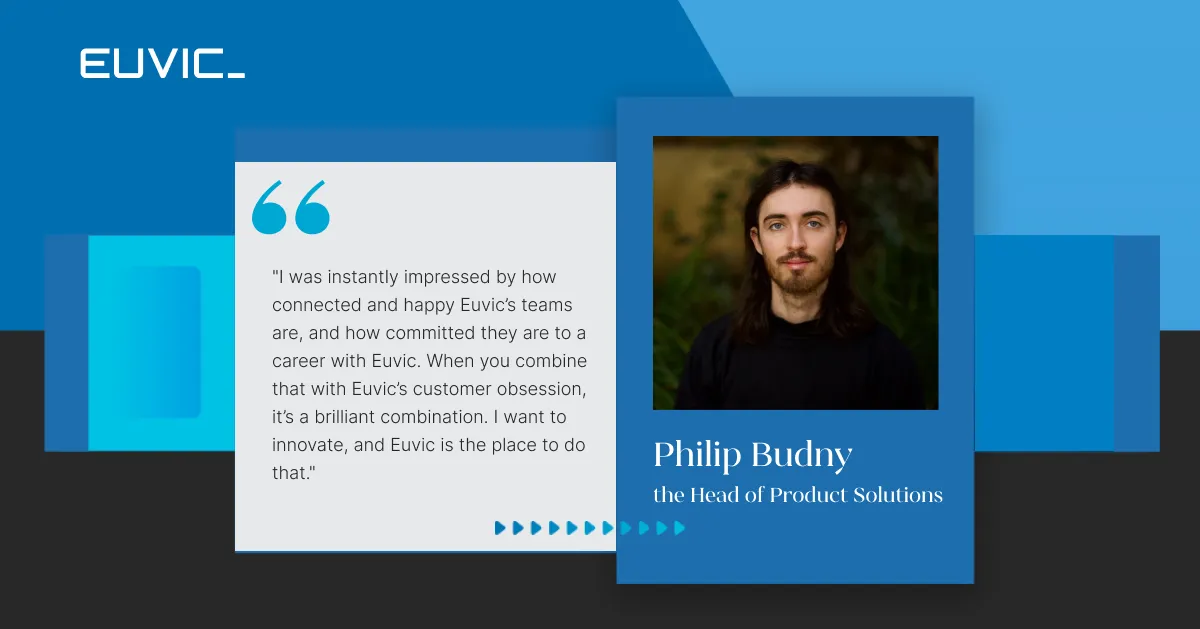
When it comes to healthcare technology, patient experience is one of the top priorities, specifically around value-based care. This is a model that focuses on improving patient outcomes rather than the volume of services provided."

Where AI Actually Helps In Healthcare Technology (And Where It Doesn't)
AI delivers measurable value in healthcare when it removes friction from care delivery. Where it’s applied without rethinking workflows, it often reinforces the very inefficiencies it’s meant to solve.
Where AI Helps
Research from Vention shows that 82% of healthcare organizations already report moderate or high ROI from AI investments (Vention, 2025). The applications driving these returns share a common trait: they remove administrative burden so clinicians can focus on patients.
Ambient clinical documentation leads the way. Generative AI tools that transcribe and summarize patient encounters have achieved near-universal adoption because they help physicians spend less time on paperwork and more on patient care.
Healthcare experience research from Qualtrics found that emotion drives patient trust more than convenience or clinical outcomes (Qualitrics, 2025). How patients perceive that staff care about them as individuals has the most profound effect on trust. AI that frees clinicians to provide that human connection delivers value. AI implemented for its own sake often doesn't.



Where AI Often Falls Short
That same logic explains why AI struggles in other areas of healthcare operations.
Administrative workflows show why starting with technology backfires. Hospitals spend roughly $44 per claim resolving disputes, contributing to an estimated $20 billion annually in administrative costs. Around 15% of claims are initially denied, and more than half are later overturned after appeals, exposing process failure rather than clinical error (ViVE / HLTH Panel, 2025).
AI applied here without redesigning workflows amplifies inefficiency instead of reducing it.
The AI FOMO Problem
Fear of missing out drives many healthcare AI implementations. Executives see competitors announcing AI initiatives and feel pressure to match them. The result is adoption without strategy.
That usually means focusing on proven, established approaches rather than adopting AI out of fear of missing out. Some companies have this formal fear of missing out when it comes to AI, and that's being exploited by service providers pushing automation and AI solutions that are sometimes not even needed."
The antidote to FOMO is clarity. Organizations that understand their specific problems can evaluate whether AI solves them. Those chasing trends end up with expensive tools that don't integrate with existing workflows or address actual pain points.
This economic shift explains why AI adoption alone means little. Healthcare systems get paid for keeping patients healthy, not for implementing technology. AI only matters if it contributes to better outcomes.
Many systems were built primarily around internal processes, compliance, and operational efficiency. Today, there's growing awareness that how patients interact with software really matters."
According to PwC's 2025 US Healthcare Consumer Insights Survey, 51% of consumers believe the healthcare system is fundamentally broken. Patients expect better experiences. The organizations that deliver will win in a value-based care environment, regardless of how much AI they've implemented.
Administrative complexity consumes clinician time, delays care decisions, and weakens patient trust, making workflow clarity a prerequisite for any meaningful AI impact.
Making AI Work for Healthcare Technology: Four Guiding Principles
Healthcare leaders navigating AI decisions should consider these principles:
Principle 1: Start with patient experience, not technology. Identify friction points in the patient journey first. Then evaluate whether AI addresses them. The organizations seeing the highest ROI from AI started with problems, not solutions.
Principle 2: Resist adoption pressure without clear use cases. AI FOMO leads to expensive implementations that don't integrate with workflows or solve real problems. Proven approaches outperform trendy ones.
Principle 3: Replace lengthy RFP cycles with collaborative discovery. Traditional procurement creates adversarial relationships and documents that age poorly. Workshops that build shared understanding reduce risk and accelerate timelines.
Principle 4: Choose partners who stay accountable after signing. A vendor who disappears post-contract is not a partner. In the AI era, ongoing collaboration and honest communication matter more than initial promises.
AI is a major topic in healthcare right now, and it's easy to feel pressure to adopt it just because it's everywhere. Our perspective is that AI should never be the starting point."
Start Using AI The Right Way
AI will continue reshaping healthcare technology. The market will grow. Adoption will spread. New applications will emerge. None of that changes the fundamental question: does your technology serve patients or create barriers between them and the care they need?
Euvic has helped healthcare organizations including Meritage Medical Network and Medsphere Systems modernize their platforms while maintaining HIPAA compliance and operational continuity. With over 6,000 engineers organized into specialized teams focused on healthcare and life sciences, we bring both technical depth and industry expertise to every engagement.
If your organization is evaluating AI or rethinking how technology supports patient care, reach out for a conversation. Our team can help you separate hype from substance and identify where AI genuinely helps.
Euvic is a competitive advantage for us. The technical excellence that Euvic has brought is not easily matched and their support has become integral to our growth strategy.

Euvic is a competitive advantage for us. The technical excellence that Euvic has brought is not easily matched and their support has become integral to our growth strategy.
Euvic is a competitive advantage for us. The technical excellence that Euvic has brought is not easily matched and their support has become integral to our growth strategy.

Talk to Your Local Euvic Team






.jpg)
.jpg)
.jpg)
.jpg)
%20(1).png)
.png)
.png)

%201%20(1).jpg)

%20(1).png)








.webp)