How Logic Controls Modernized Its KDS Platform and Built The Foundation For AI Across 2,300+ Locations
Logic Controls has built kitchen display and point-of-sale technology trusted in restaurants for more than four decades. In 2024, the company set out to bring its software up to the standard of its hardware and to open a new chapter around AI. Partnering with Euvic, Logic Controls modernized the engineering behind its kitchen display system, strengthened its security, and put a repeatable development process in place. That progress led to a second, larger initiative in 2025: Spensara, a proof-of-concept AI platform that turns a restaurant's own operating data into real-time guidance for managers.
- A modernized KDS platform running across 2,344 active restaurant locations, now operating with no recurring production issues.
- Stronger data protection for every customer on the platform, with a known security gap closed and an estimated 10 to 15 percent data exposure removed.
- A rebuilt engineering process, adding code standards, reviews, documentation, and expanded environments for safer development and testing.
- A working proof of concept for Spensara, delivered on schedule and giving Logic Controls a foundation for its first AI product.
Logic Controls

.png)
Logic Controls is a U.S.-based technology provider for the restaurant and hospitality industry, specializing in point-of-sale hardware, kitchen display systems, Android tablets, kiosks, and the software that ties them together. Founded in 1982, the company serves customers in 37 countries and is known across the quick-service market for durable, reliable hardware. Its bump bars and kitchen displays run in kitchens at some of the largest quick-service brands in the world.

.webp)
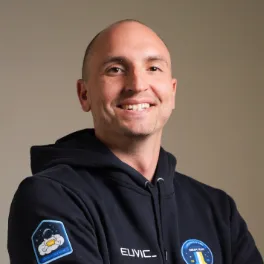
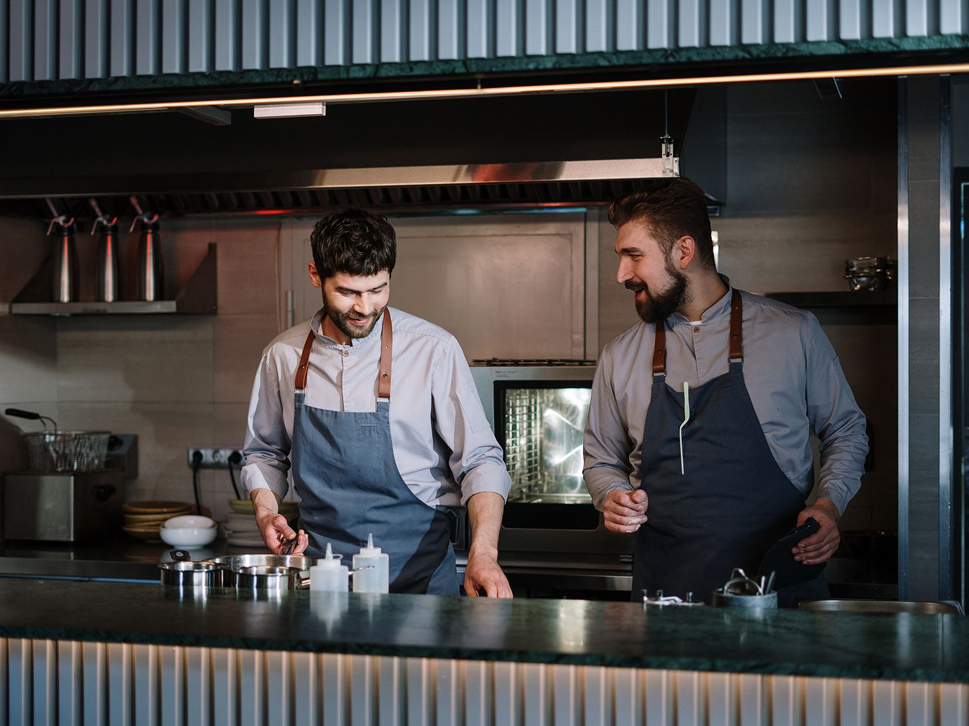
The best way to describe Euvic and the relationships that we have is this is very much the feeling of working with my own engineering team that work for me, that report to me, and that we built a camaraderie that most times it takes years to build... Within two to three weeks of the relationship, I started getting deliverables on time, on budget, and dead accurate to what I was asking for. Again, no one was more surprised than me."

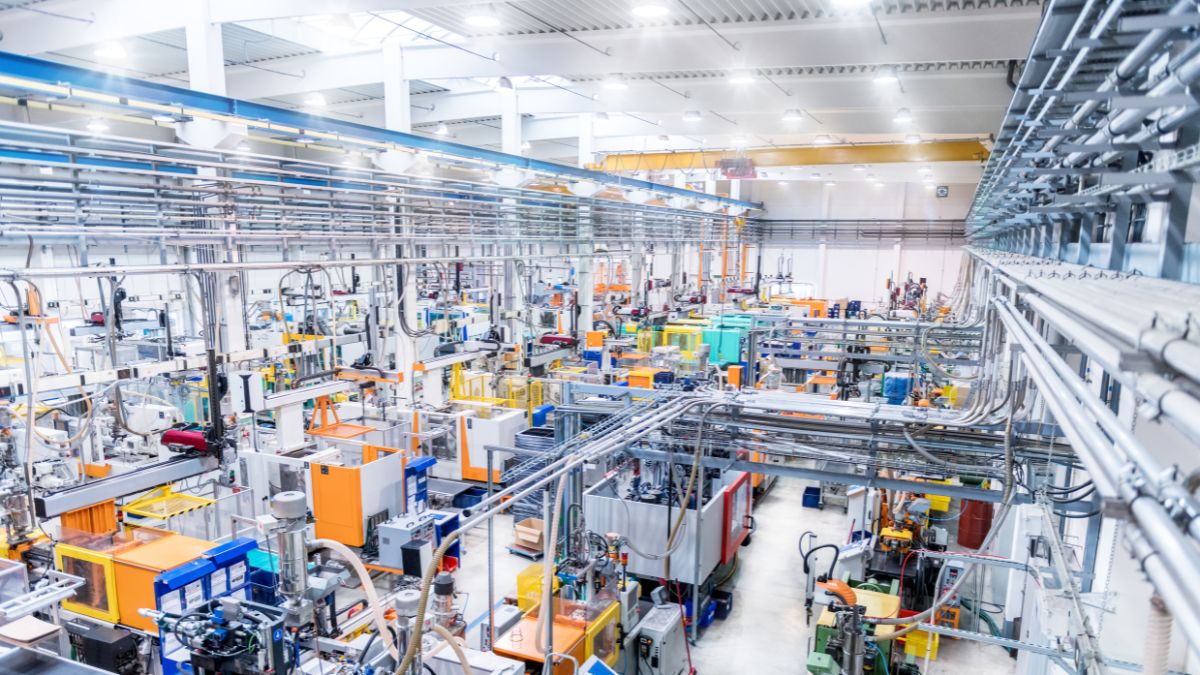
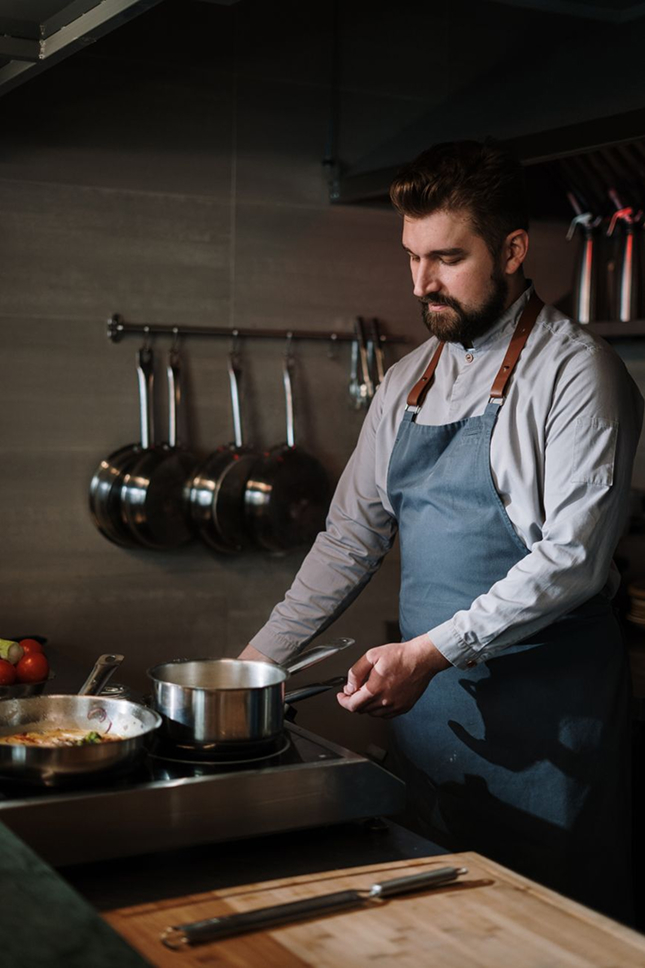
Kitchen display systems sit at the center of a busy restaurant. When an order lands, the KDS routes it to the right station, times it, and keeps the line moving. Reliability at that layer protects the whole operation, from kitchen flow to the customer waiting on an order, and it shapes how much the brands running those displays trust the vendor behind them.
Logic Controls had spent four decades earning that trust on the hardware side. By 2024, with its displays running in thousands of locations, the company decided its software deserved the same standard. The KDS software had grown organically over the years, and much of the system knowledge lived with a small group of people. Documentation was light, the development process was informal, and the team had limited room to build and test safely. Leadership saw a clear opportunity to modernize.
Tom Seeker, a fractional Chief Technology Officer who had bought and deployed Logic Controls products for years, came on board to help steer that strategy. He arrived with strong opinions about offshore engineering, shaped by past experiences that had not gone well.

Chapter One: Bringing the software up to the standard of the hardware
To keep pace with its own growth, Logic Controls set out to modernize the software behind its displays so it matched the reliability its hardware was known for. The team mapped the areas where the product could improve:
- Production bugs that occasionally reached end users and affected performance.
- A security gap that exposed customers to an estimated 10 to 15 percent data risk.
- An informal development process, without standardized code reviews or coding standards.
- Light documentation, which concentrated system knowledge with a few people and slowed new work.
- Constrained internal capacity to ship new functionality on a predictable timeline.
- Only two environments, which left little room for safe development and testing.
Chapter Two: A bigger ambition around AI
With the platform on stronger footing, Logic Controls set its sights on something bigger. Tom and the leadership team wanted to add a layer of intelligence across restaurant operations. Many AI tools on the market answer questions in isolation, disconnected from how a specific restaurant actually runs, and that gap was the opportunity.
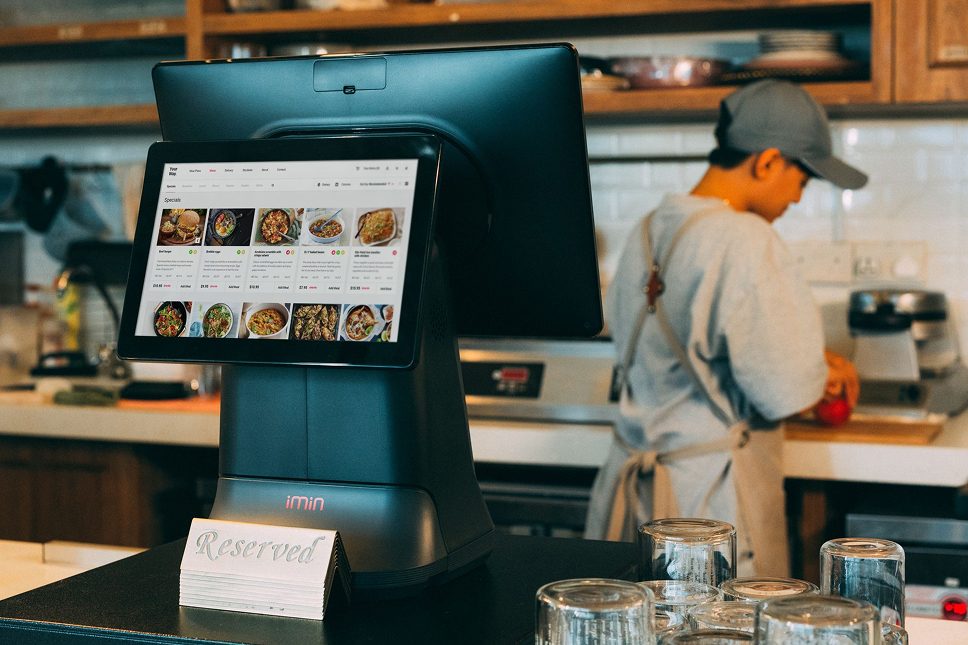
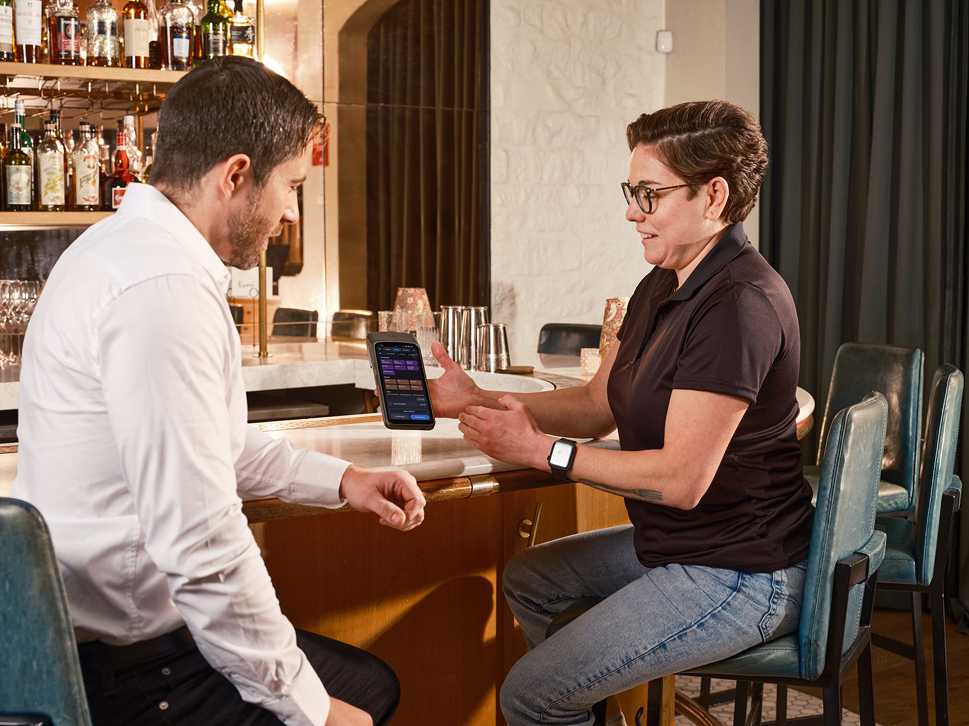
The team pictured a platform that learns who a restaurant is, draws on its real operating data, and delivers guidance to managers on whatever device they happen to be holding. Building it meant connecting point-of-sale data with AI services, designing for single and multi-location operators, and getting a working product in front of users quickly. Logic Controls wanted a partner with real AI depth and the flexibility to move fast.
Why Logic Controls chose Euvic
For the KDS work, Euvic stood out for its ability to assemble a capable team quickly, with proven experience in legacy code and the relevant stack. Flexibility to scale up or down as priorities shifted came built in, paired with a structured, audit-first approach that brought immediate clarity to a complex codebase.
By the time Spensara came along, the decision was simpler. Euvic already led the KDS project, brought broad AI experience from other engagements, and had earned trust through delivery. For Tom, who came in skeptical, the early weeks changed his mind faster than he expected.
What Euvic delivered for the KDS platform
Euvic ran a phased engagement that covered the full path from diagnosis to delivery.
- Discovery and audit. A full diagnostic review of system architecture, application logic, and infrastructure dependencies, documenting where the product could improve across performance, security, and process.
- Planning and prioritization. A clear set of priorities and a structured roadmap that balanced quick wins against long-term improvements.
- Stabilization and remediation. More than 400 critical and major bugs resolved, performance bottlenecks addressed, error handling and monitoring improved, and the security gap closed.
- Feature development. New KDS capabilities including improved reporting, UI and UX updates to the admin dashboard and mobile app, and automated regression testing for broader coverage.
- Process and environments. Standardized coding practices, code reviews, defined roles, updated documentation, and an expansion beyond the original two environments for safer development and testing.
- R&D with AI. Exploration of AI-driven optimization and automation, including support for a high-profile system integration analysis with a major entertainment company.
What Euvic built for Spensara
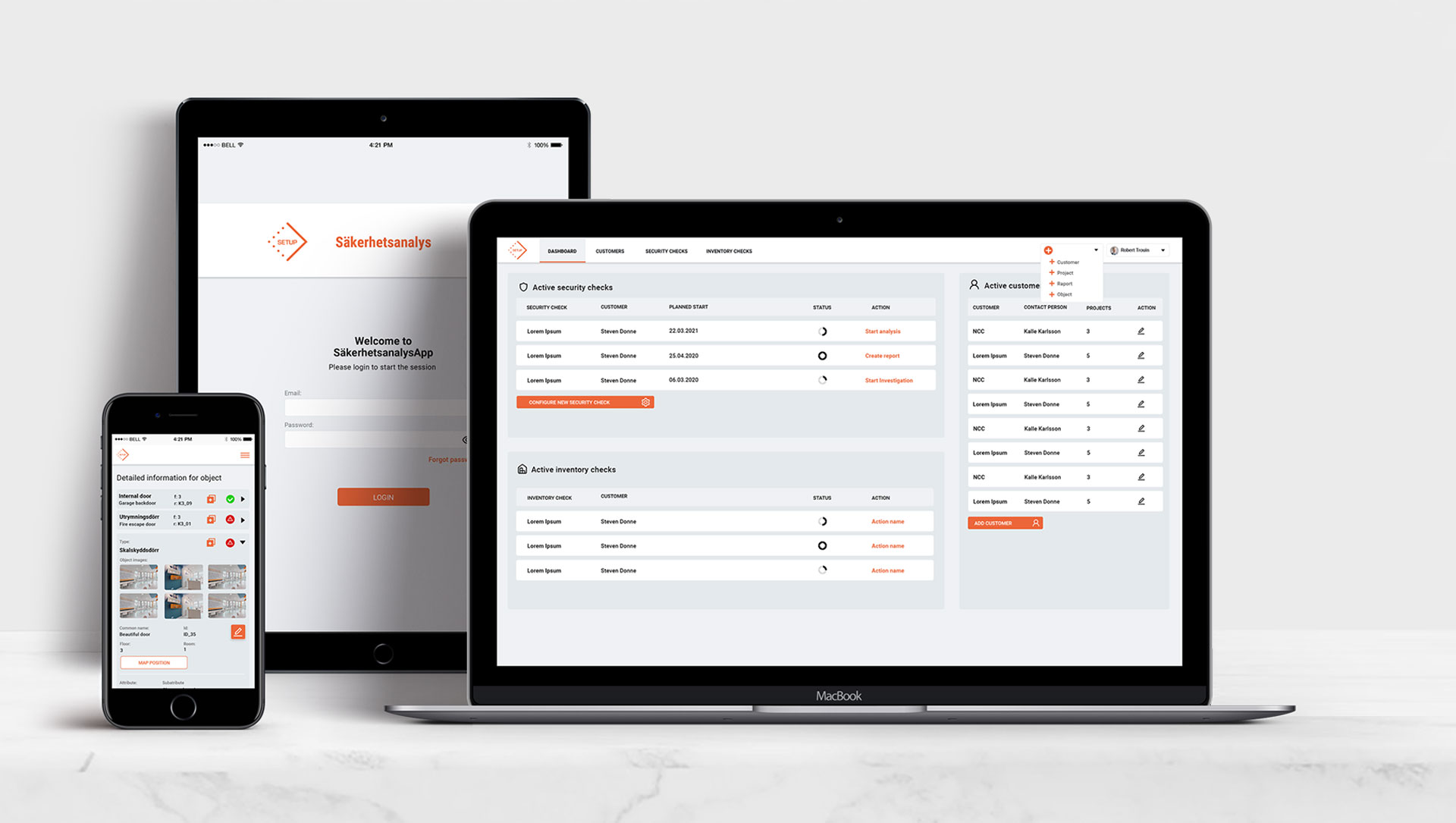
Spensara is a proof-of-concept AI platform for restaurant operations. It connects point-of-sale and operational data to Amazon Bedrock, learns how a given restaurant runs, and surfaces real-time insight, predictive analytics, and recommendations for managers through dashboards, alerts, and a conversational assistant. The design moves day-to-day management from reactive to proactive.
Euvic delivered the platform in stages. The proof of concept set up the Amazon Bedrock environment, integrated POS data, built the data pipeline and storage, and stood up early dashboards and the conversational assistant. Its modular architecture was designed to grow, so new operational use cases, from analytics and labor scheduling to sales forecasting, menu insight, and real-time alerts, extend the same foundation rather than starting over.
What stood out to Tom was less the technology and more the way the team worked. People on the call spoke fluent English, understood loose or informal direction, and met him on his schedule despite a six to seven hour time difference.




.png)


Euvic staffed both engagements with a blend of onshore and nearshore talent, structured so the right people focus on the right work. A relationship manager keeps the partnership healthy while engineers concentrate on delivery.
KDS project: Business Analyst, Project Manager, QA Tester, and a core of software engineers.
Spensara project: Software Architect, Full-stack Developer, DevOps Engineer, Tester, and Project Manager.
The KDS engagement produced measurable, lasting improvement across the product and the process behind it.
A partnership that keeps expanding
A more reliable KDS platform is what made the AI work possible. Trust earned on the first engagement is why Logic Controls handed Euvic the Spensara project, and the proof of concept arrived on time ahead of the MURTEC industry conference. The day after the conference, Tom sent the team a note.
- More than 400 critical and major production bugs resolved, with the platform now running without ongoing production issues.
- Reliability raised to roughly 90 percent, measured by the absence of recurring production problems.
- Security loophole fully closed, removing the estimated 10 to 15 percent customer data risk.
- AWS resource and license costs optimized through infrastructure improvements.
- Environments expanded beyond the original two, giving teams room for safer development and testing.
- 2,344 active stores now run on a more stable, performant platform.
The relationship has already opened three to four additional project conversations. Spensara itself grew from a narrow idea about adding AI to a kitchen display into a platform that other operational solutions can build on, giving Logic Controls a foundation well beyond the first release.


.png)



.png)