Software Discovery Workshop: How To Avoid The One In Six Project That Fail
A software project that runs 27% over budget sounds like a risk most teams can absorb. That number is the average from a 2013 analysis of 1,471 IT projects by Bent Flyvbjerg and Alexander Budzier, and it hides the more important finding.
Roughly one in six projects was an extreme outlier, averaging a cost overrun of about 200% and a schedule overrun of almost 70%.
A software discovery workshop, sometimes called the discovery phase in software development, is built to catch that project before development spending begins.
The client and the delivery team define the problem, examine the existing tech stack, and agree on a proposed solution and timeline.
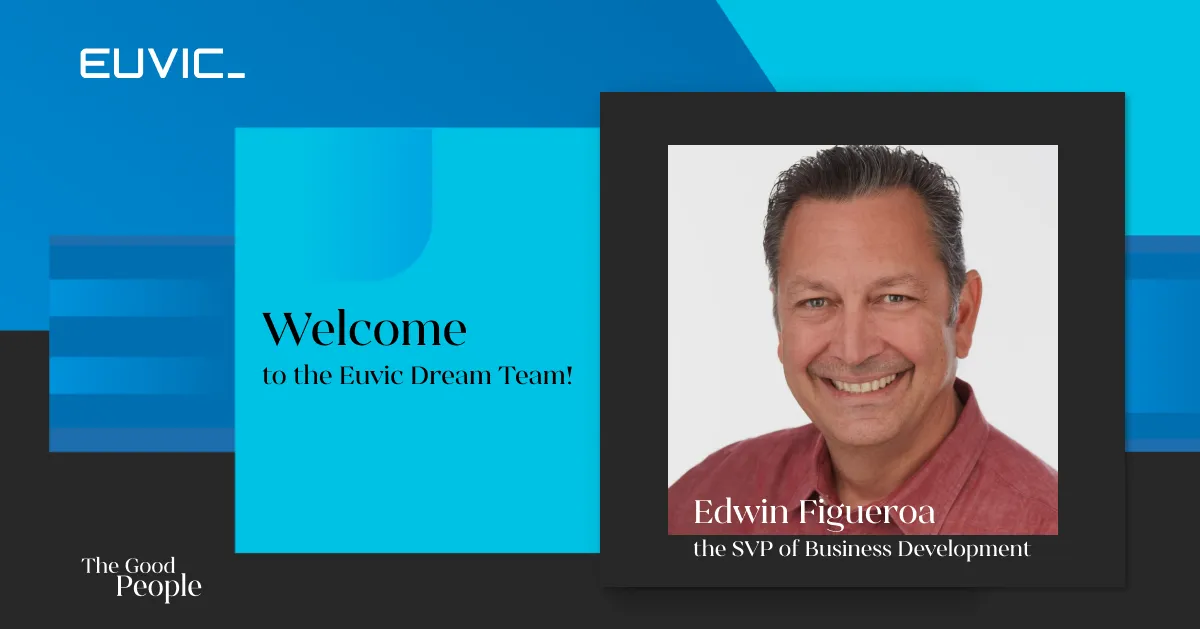
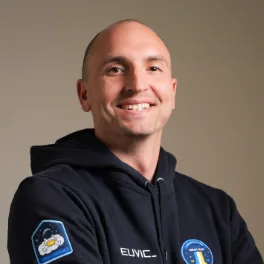
We asked Edwin Figueroa, VP of Business Development at Euvic US, how it works. Edwin has spent more than 30 years selling technology, including at Avaya, Cisco, and Accenture, before joining Euvic.
The research below covers three causes of blown-up projects: misaligned goals, unclear requirements, and building the wrong thing. None of it measures workshops directly.



Why Software Projects Go Over Budget: What The Average Hides
Software project risk is widespread, and the first cause is misaligned goals.
BCG’s 2024 survey of C-suite executives found that nearly half said more than 30% of their technology development projects ran late or over budget. Among the causes it lists are business and technology teams disagreeing on operational objectives, and unrealistic timelines.
BCG also associates involving technology leaders from the start of strategy development with a 154% higher success rate, and it recommends time-boxing the discovery phase.
A workshop puts both sides in one room while changing course is still cheap, a theme in our post on why software projects stall after planning.
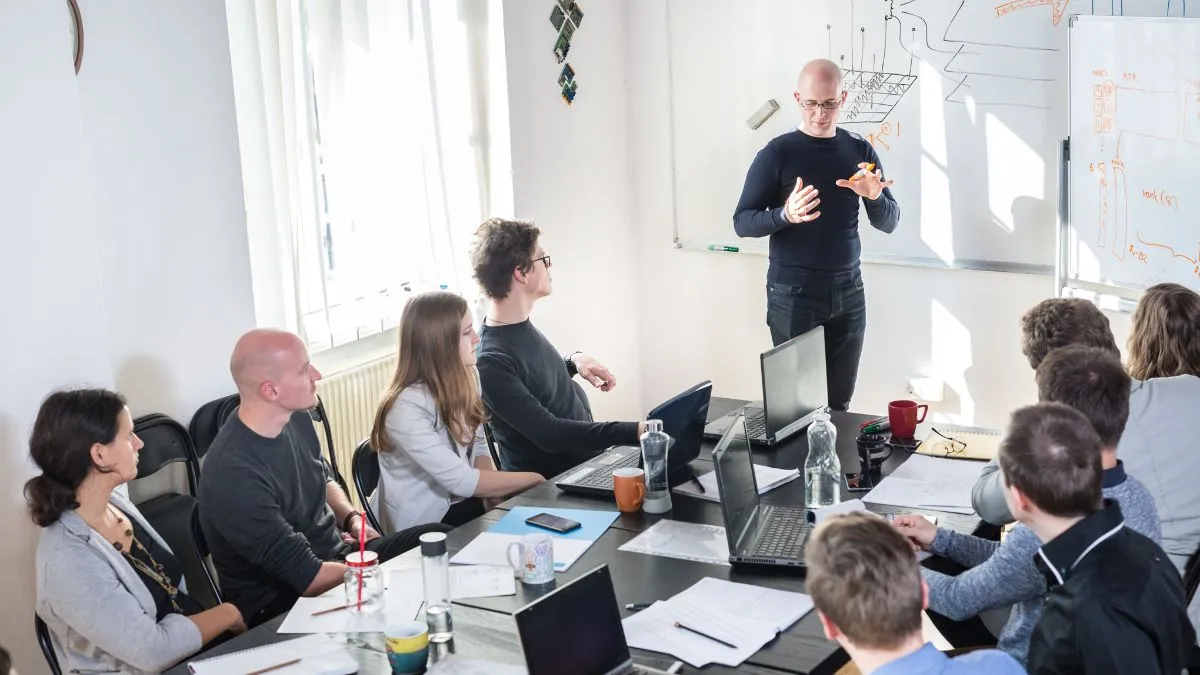
What Happens In A Software Discovery Workshop
Edwin describes the process in three stages.
Before The Workshop

What builds real trust with the client is first stepping into their shoes, understanding what they want to accomplish, understanding what the concerns are and the different pain points they’re trying to solve."

The delivery team is then assembled around the problems the client described.
During The Workshop
The session is a deep dive into the client’s tech stack.
Attendees review what the client has already tried and what value the client wants to bring to its own customers.
After The Workshop
We can come up with a solution that addresses those pain points and those concerns, and provide a timeline with a proposed solution and how we’re going to accomplish it."
The Cost Of Fixing Requirements Errors Late
The second cause is unclear requirements, and the data on what they cost is more mixed than most teams realize.
Menzies, Nichols, Shull, and Layman tested the popular idea that defects grow more expensive the later they are found. Across 171 software projects, they found no evidence for it.
The authors caution that the effect may appear only in certain kinds of projects.
A 2004 NASA study modeling a large spacecraft-class system shows how steep the climb can get. In its estimates, a requirements error cost 1 unit to fix in the requirements phase, 3 to 8 units in design, and 21 to 78 units at integration and test.
Either way, a project built on the wrong requirements pays for that mistake through every later phase.
PMI’s 2024 research rated 48% of projects successful and 12% as failures, and only 37% defined success criteria up front, set up a way to measure performance, and tracked it throughout.
A workshop is a time to really ask those tough questions so that it does not delay the project, it accelerates the project and makes it more efficient."
Why AI Makes The Go Or No-Go Decision More Valuable
The third cause is building the wrong thing, and AI raises the stakes. Coding tools lower the cost of producing software, which moves the risk toward deciding what to build.
RAND notes that some estimates put the failure rate of AI projects above 80%, roughly double that of IT projects without AI. Its interviews with 65 data scientists and engineers name misunderstanding or poorly communicating the problem the AI should solve as the first root cause on its list.
Our guides to AI readiness and why enterprise AI projects fail before they ship go deeper on this risk.
Euvic builds its workshops to end in an actionable roadmap that supports a go or no-go decision.
For AI ideas, rapid prototyping produces a working prototype in two to three weeks, so a team can demo, test, and decide before committing.
Euvic COO Christopher Krzoska explains why a no-go still counts as a win.
You might find out at the end of it that the product doesn’t make sense to build, and that’s a much cheaper way to learn that than twelve months in."
How Discovery Changed Two Euvic Engagements
On a financial platform engagement, the client asked Euvic for a straightforward interface redesign.
Euvic’s discovery process revealed larger strategic opportunities, and the work grew into a broader platform partnership.
Seven or more mission-critical modules were redesigned and launched, and they now power 25 of the world’s top 30 private equity firms.
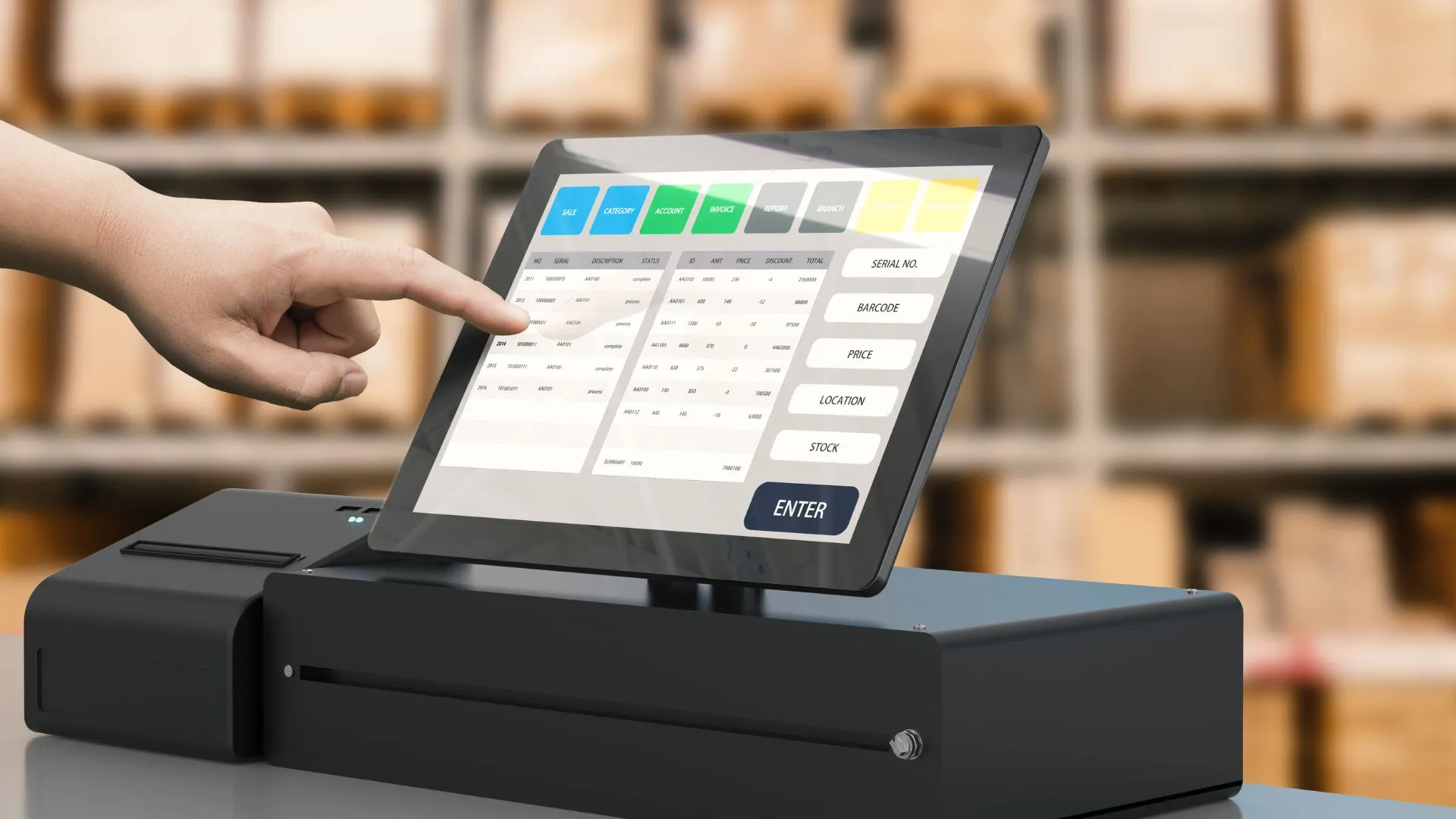
At Logic Controls, Euvic opened with a full diagnostic review of the system architecture, application logic, and infrastructure dependencies.
That audit-first start led to the resolution of more than 400 critical and major production bugs on a platform that now supports 2,344 active restaurant locations.
Software Discovery Workshop Deliverables: Five Outputs To Expect
Formats vary by engagement, but a strong workshop ends with five outputs your team can evaluate and challenge:
- Written Problem Statement: the goals and success criteria that business and technology teams both signed off on.
- Current-State And Tech Stack Review: what exists today and what has already been tried.
- Impact Map: a link between each proposed feature and a business goal.
- Clickable Prototype: a version users can test before development begins.
- Go Or No-Go Roadmap: a proposed solution, a timeline, and a clear recommendation to proceed, adjust the scope, or stop.
Start With A Software Discovery Workshop
A focused workshop lets your team test a plan and a partnership before committing to full delivery, and it is the cheapest point to find out whether yours is the one in six.
Talk to the Euvic US team about what a discovery workshop could look like for your project, or explore our services, AI solutions, and recent case studies.
Our Product Solutions Manager model keeps one accountable owner on a system for its full life.
Euvic is a competitive advantage for us. The technical excellence that Euvic has brought is not easily matched and their support has become integral to our growth strategy.

Euvic is a competitive advantage for us. The technical excellence that Euvic has brought is not easily matched and their support has become integral to our growth strategy.
Euvic is a competitive advantage for us. The technical excellence that Euvic has brought is not easily matched and their support has become integral to our growth strategy.

Talk to Your Local Euvic Team